

Key Takeaways
- Strong facts must still be proven with admissible evidence, and much of that work begins before a lawsuit is filed.
- Procedural rules decide many business disputes before a judge or jury ever weighs who was right.
- Contract terms such as notice requirements and liability caps can outweigh the fairness of a situation.
- Judges and juries respond to a clear, credible story more than to a long list of favorable details.
- A business litigation attorney who prepares every case for trial gives a client real leverage in reaching a resolution.
The Gap Between Being Right and Winning
Business owners often call a lawyer with some version of the same sentence. “We have them dead to rights.” Sometimes that is true. The emails are clear, the payments have stopped, and the other side has broken its word.
Even so, good facts are only the raw material of a case. They must survive the rules of evidence, procedural deadlines, and the judgment of people who were not in the room. A skilled business litigation attorney knows that winning depends on how those facts are gathered and presented.
A Fact You Cannot Prove Is Not a Fact in Court
Courts do not decide what happened. They decide what the evidence shows happened. That distinction frustrates many business owners, and understandably so.
Consider a supplier who promised a price freeze during a phone call. The buyer remembers the conversation in vivid detail. No one wrote it down. The supplier’s sales manager has since left the company and claims to remember nothing. The buyer may be completely right. Proving it is another matter.
Evidence also has to be admissible. Hearsay rules, authentication requirements, and privilege can keep damaging information out of the record. A spreadsheet printed from a shared drive may require a witness to attest to its origin. A screenshot of a text thread can raise questions about what was left out.
Preservation matters as well. Once litigation is reasonably anticipated, a business has a duty to keep relevant records. Automatic deletion settings that keep running past that point can create serious trouble. Occasionally the party with the better facts ends up explaining missing emails rather than arguing the merits.

Procedure Can End a Case Before Anyone Weighs the Merits
Many business disputes never reach a jury. They are decided on motions, and those motions often turn on procedure rather than fairness.
A claim filed after the statute of limitations has run can be dismissed no matter how strong it looks. A breach of contract claim may fail because the plaintiff failed to follow a required notice procedure. An arbitration clause buried on page fourteen can move the whole dispute out of court.
Pleading standards create another hurdle. A complaint must allege specific facts supporting each element of a claim. Fraud allegations typically demand even more detail. Vague accusations, however heartfelt, invite a motion to dismiss.
Where a case is filed also shapes the outcome. The forum affects which rules apply and how long the matter may take. A seasoned commercial litigation attorney evaluates these questions at the outset, before they turn into expensive mistakes.
The Contract Often Matters More Than the Conduct
In commercial disputes, the written agreement usually carries more weight than anyone’s sense of fairness. Courts generally enforce contracts as written, especially between sophisticated business parties.
That principle can cut against a party with sympathetic facts. A co-owner may have acted in bad faith, yet the operating agreement may permit exactly what he did. A customer may have been treated poorly. Still, a limitation-of-liability clause can cap recovery at a small fraction of the actual loss.
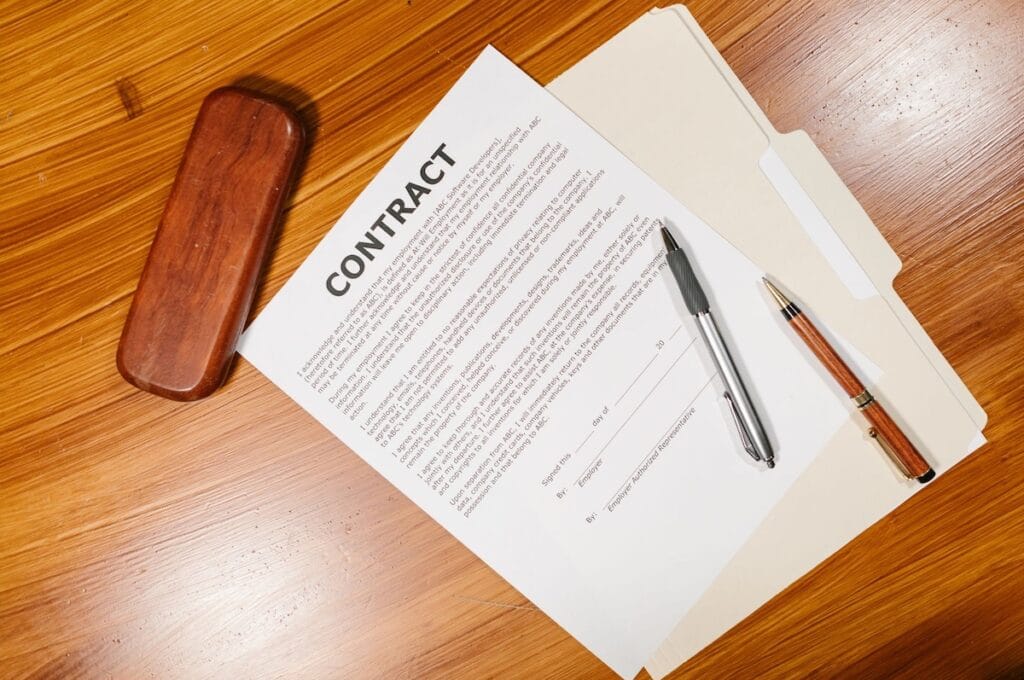
Details like these explain why a business dispute attorney reads the documents before forming an opinion about the case. Forum selection clauses and fee-shifting provisions can reshape a dispute entirely. An integration clause may even bar evidence of side promises made during negotiations. Remember that price freeze promised over the phone? This is often where it disappears.
Judges and Juries Respond to Stories, Not Stacks of Documents
Fact-finders are people. They make sense of a dispute by fitting the evidence into a narrative that feels coherent and believable.
Psychologists Nancy Pennington and Reid Hastie documented this pattern in their research on juror decision-making. Their studies, published in the 1980s and early 1990s, produced a framework known as the Story Model. Jurors organize the evidence into a story. They then choose the verdict that best fits that story. Evidence that does not fit tends to carry less weight.
This is why a case with fifty good facts can lose to a case with five. Too many points blur the message. One inconsistent detail can undercut an otherwise strong position.
Credibility sits at the center of every story. A witness who overstates things or seems rehearsed can do more harm than a bad document. Honest, thorough witness preparation is some of the most important work in complex business litigation.
The theme also has to make sense to someone outside the industry. What looks obvious inside a company may need patient explanation for a judge or jury who has never seen that business operate.
Why Trial Readiness Drives Better Resolutions
Most business disputes settle. That reality makes trial preparation more important, not less.
Opposing counsel and insurers constantly evaluate risk. They can usually tell whether a firm is building a case for the courtroom or hoping for a quick payout. That assessment shapes every settlement offer that follows.
When a case is prepared for trial from the start, the key legal issues get tested early. The evidence is organized long before anyone requests it. The other side sees its genuine exposure. Resolution tends to follow on better terms. Frequently, it happens quietly, without public filings that drag on for years.
This is especially true in high-stakes business litigation. When a company’s future is on the line, credible trial capability often makes a controlled exit possible.

When to Bring In a Business Litigation Attorney
The best time is usually earlier than most owners expect. Evidence is fresher before positions harden and deadlines pass. Early counsel can also shape communications so that nothing written in frustration becomes an exhibit later.
Warning signs include a missed payment on a significant contract or a demand letter from the other side. A partner who suddenly stops sharing financial information deserves attention too. A fight over company control or a threatened injunction calls for immediate action.
Good facts deserve a strategy strong enough to carry them. RichardsonClement, P.C., represents businesses in commercial disputes, ownership conflicts, and bet-the-company litigation. Richardson prepares every matter as though it will be tried. Contact Richardson today to schedule a consultation and discuss your situation.
Frequently Asked Questions
Yes. Facts must be proven with admissible evidence, and claims must meet procedural requirements. Missed deadlines, weak pleadings, or unfavorable contract terms can defeat a case built on strong facts.
Written records usually carry the most weight. Contracts, emails, invoices, and financial statements help establish what happened. Credible witness testimony that fits those documents is also essential.
How does a contract affect the ability to recover damages?
Courts generally enforce contracts as written. Limitation-of-liability clauses, arbitration provisions, and notice requirements can control both the outcome and the size of any recovery.
Contact counsel as soon as a significant contractual agreement is considered and when a significant dispute appears likely. Early involvement helps clarify terms, preserve evidence, protect deadlines, and prevent communications that could weaken the company’s position later.
Often, yes. A case prepared for trial shows the other side real risk. That pressure frequently produces better settlement terms and an earlier resolution.